Key Facts:
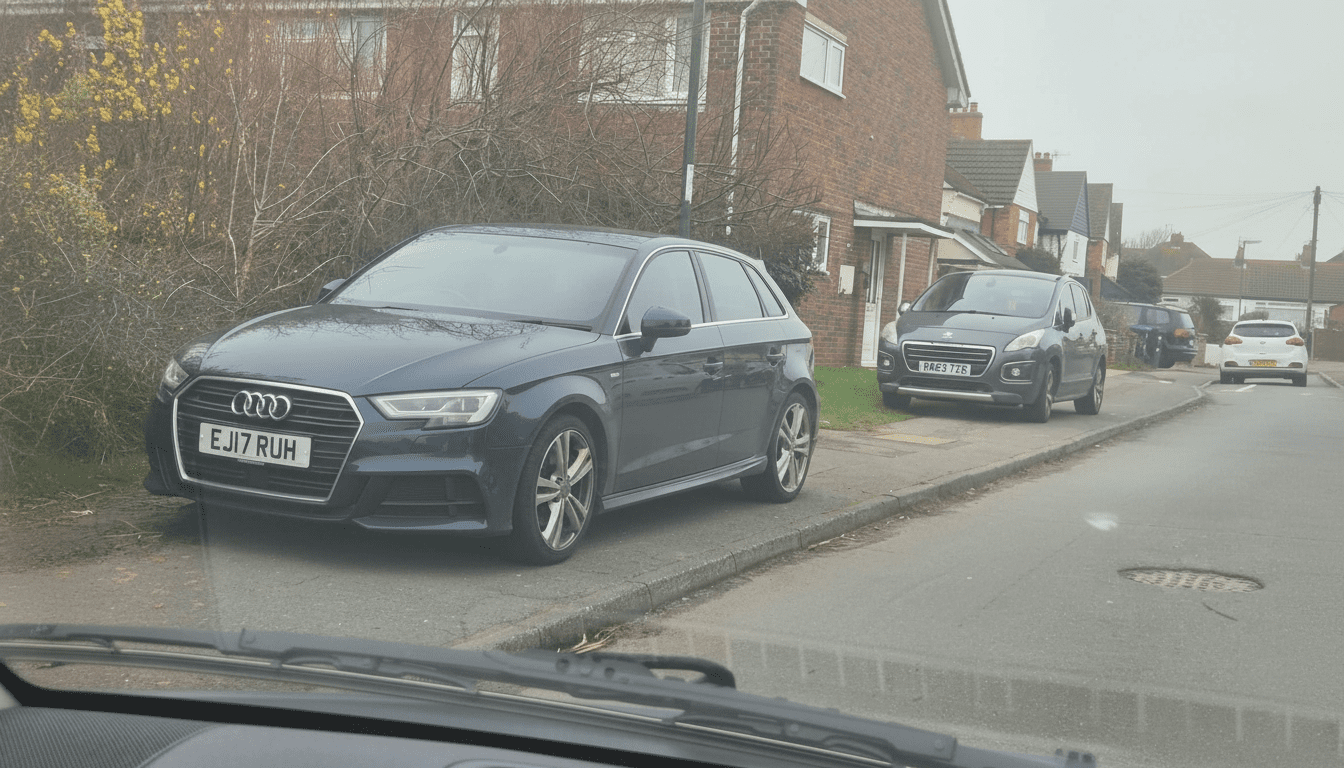
- The Penalty: Average £2,000 additional cost over 10 years for drivers without driveways (insurance + permit fees).
- The Hotspot: EX8 postcode in East Devon tops the list at £2,118 annually in combined costs.
- The Trend: London developments since 2016 cut parking provisions by 75%—one space per six flats.
- The Diesel Surcharge: Most councils add £50-£100 yearly for diesel vehicles, more for high-emission models.
Urban Parking Is Getting Pricier Than a Premium EV Subscription
If you’ve ever circled a London block for 20 minutes hunting a space, you know the pain. But new data from Go.Compare puts a number on that frustration: nearly £2,000 extra over a decade for drivers without driveway access. It’s the automotive equivalent of paying Tesla’s Premium Connectivity fee every month—except you’re getting nothing but the “privilege” of parallel parking your Ford Fiesta at 11pm.
Where the Numbers Come From
Go.Compare analysed 399 UK councils, combining residential permit charges with insurance premium comparisons between on-street and off-street parking. The results aren’t pretty. Cumbria leads for permit costs (£5,484 over 10 years), while Preston tops insurance penalties (£5,375 over a decade). Oldham, Birmingham, and Hull also crack the top 10—all areas with lower average incomes facing disproportionately high parking burdens. It reminds me of the used EV market volatility we’ve covered: external factors (location, infrastructure) dictating ownership costs far beyond the purchase price.
London’s Parking Squeeze Is Intentional
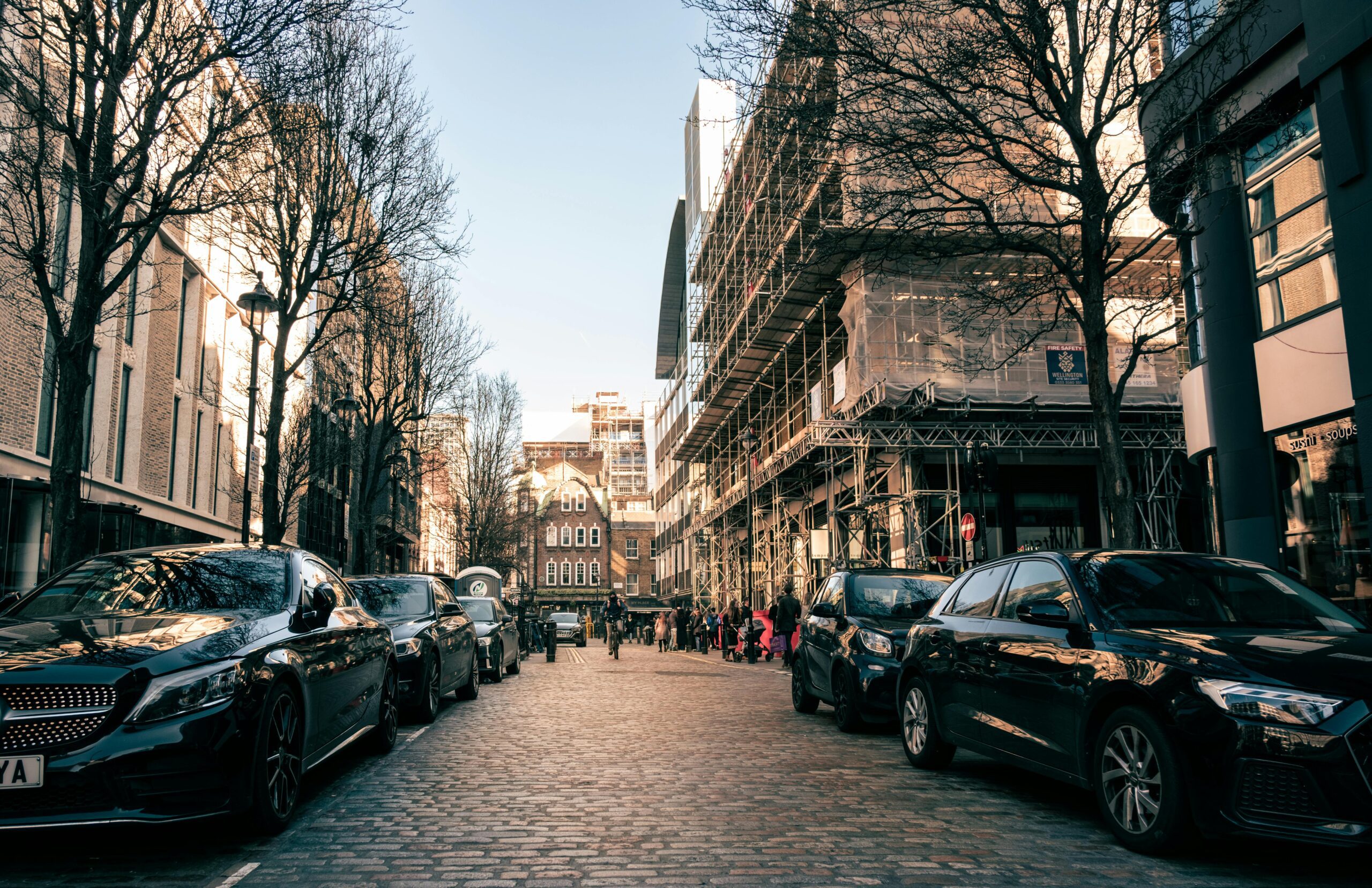
Here’s the kicker: 5,000 London residential developments approved since 2016 have slashed parking provisions by 75%. Just one space per six flats, and one in five developments offer zero parking whatsoever. With 78% of London households already lacking a driveway, this isn’t accidental—it’s policy. Steve Ramsey from Go.Compare calls it a “growing and unavoidable cost of urban living.” For context, that’s like Rivian announcing their R1T comes without a charging port and expecting owners to figure it out.
What This Means for You
If you’re car shopping in an urban area, factor in the “driveway deficit” before signing. Insurance premiums jump significantly for on-street parkers, and permit fees vary wildly by council. Diesel drivers face additional £50-£100 annual surcharges in most areas, with high-emission vehicles hit even harder. For EV owners, there’s a silver lining: many councils offer discounted permits for low-emission vehicles. But even then, you’re not guaranteed a space—just the right to pay for the possibility of one.
The Broader Signal
This trend exposes a fundamental tension in UK urban planning: cities want to reduce car dependency while millions still rely on personal vehicles for work, family, and daily life. Unlike Norway’s EV-friendly infrastructure push, the UK’s approach feels punitive—charging more without providing alternatives. Expect this gap to widen as councils prioritize cycling lanes and congestion zones over driver accommodation.
Watch your local council’s planning meetings and Go.Compare’s annual parking cost reports—the driveway deficit isn’t closing anytime soon.