Key Facts:
- The Ask: AA recommends reducing speed by 10% to improve fuel efficiency without disrupting traffic flow.
- The Savings: Diesel drivers could save approximately £10 per tank by adapting driving style alone.
- The Surge: Diesel averaged 184.2p/litre (up 29%), petrol at 153.7p/litre (up 16%) since the conflict began.
- The Total Hit: UK motorists have paid an additional £583 million in fuel costs since late February.
Fuel Prices Are Spiking Harder Than a Launch-Control Takeoff
If you’ve filled up lately, you’ve felt the sting. The war in Iran has triggered a fuel price surge that’s hitting UK drivers where it hurts most—their weekly commute budget. Oil prices have soared as Iran tightens its stranglehold on tankers passing through the Strait of Hormuz, and that wholesale shock is translating directly to the pump. It reminds me of the EV price volatility we saw with used Teslas last year: external geopolitics messing with what should be predictable operating costs.

Who’s Saying What
The AA (Automobile Association) isn’t just observing—they’re actively advising. President Edmund King says slowing down by 10% “improves fuel efficiency” while still “keeping up with the flow of traffic.” The RAC backs this up, reporting diesel at 184.2p per litre as of Wednesday, up from 142.4p when the conflict erupted on February 28. Petrol’s not spared either, climbing to 153.7p from 132.8p. For context, that’s the kind of jump that makes you think twice about taking the family SUV out for a weekend run.
The Math Behind the Message
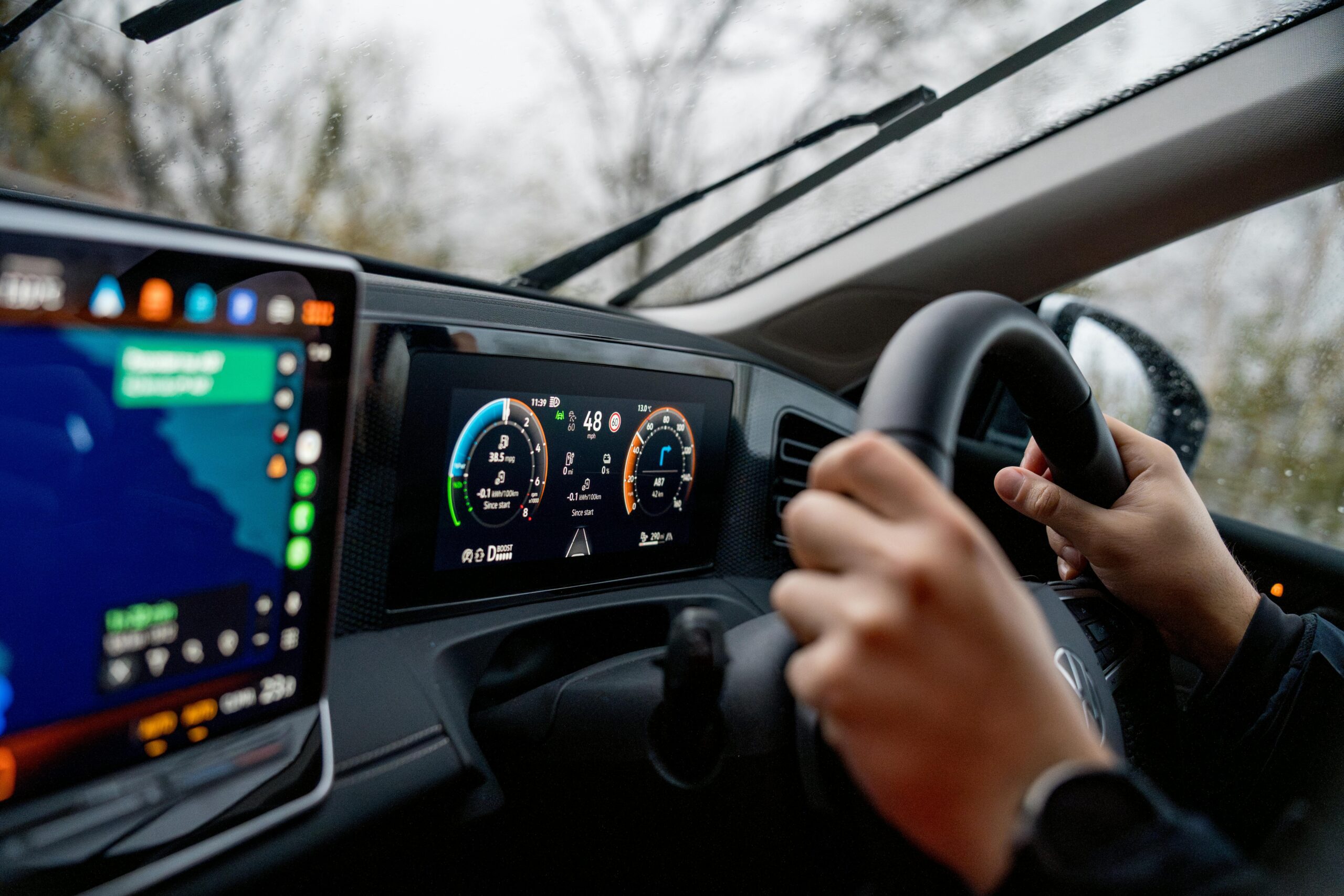
Here’s where the rubber meets the road: the AA estimates diesel drivers can save £10 per tank simply by changing driving habits. That means anticipating traffic lights, avoiding harsh braking at roundabouts, and smoothing out your throttle inputs. Think of it like regen braking in an electric vehicle—anticipation equals efficiency. The RAC Foundation calculates motorists have already shelled out an extra £583 million since late February, with £439 million of that on diesel alone. The disparity comes down to diesel’s higher baseline price and greater sales volume across the UK fleet.
What This Means for You
If you’re running a traditional ICE vehicle, now’s the time to hypermile. Download a fuel price comparison app—the AA notes discrepancies up to 19p per litre within short distances, and all forecourts must report changes to the Government’s Fuel Finder database within 30 minutes. For EV owners, this is a rare moment where your charging costs look stable by comparison. But don’t get too comfortable: electricity prices often follow energy market trends, and grid strain from mass EV adoption could shift that advantage.
The Broader Signal
This situation exposes how fragile fossil-fuel dependence really is. A conflict halfway around the world, and suddenly your Ford Puma or Vauxhall Corsa costs 30% more to run. It’s a textbook argument for electrification—but with the used EV market still volatile (see: Big Motoring World’s price crashes), the transition isn’t seamless for everyone. Expect more drivers to consider hybrids or full EVs as fuel uncertainty becomes the new normal.
Watch the RAC’s weekly fuel reports and the Fuel Finder database—prices could shift again as the Hormuz situation develops.