Key Facts:
- The Shift: Big Motoring World has moved from a self-funded warranty model to a third-party provider, citing that the old system was “no longer commercially sustainable at scale.”
- The Price Drop: Inventory data shows some used EVs depreciating £5,000–£10,000 in under six months, often landing below Autotrader’s algorithmic “market average” and still not moving.
- The Human Cost: The restructuring has triggered consultation periods and potential redundancies within the after-sales division, as the dealership attempts to reduce cost volatility.
The Used-EV Market Is Getting Weird
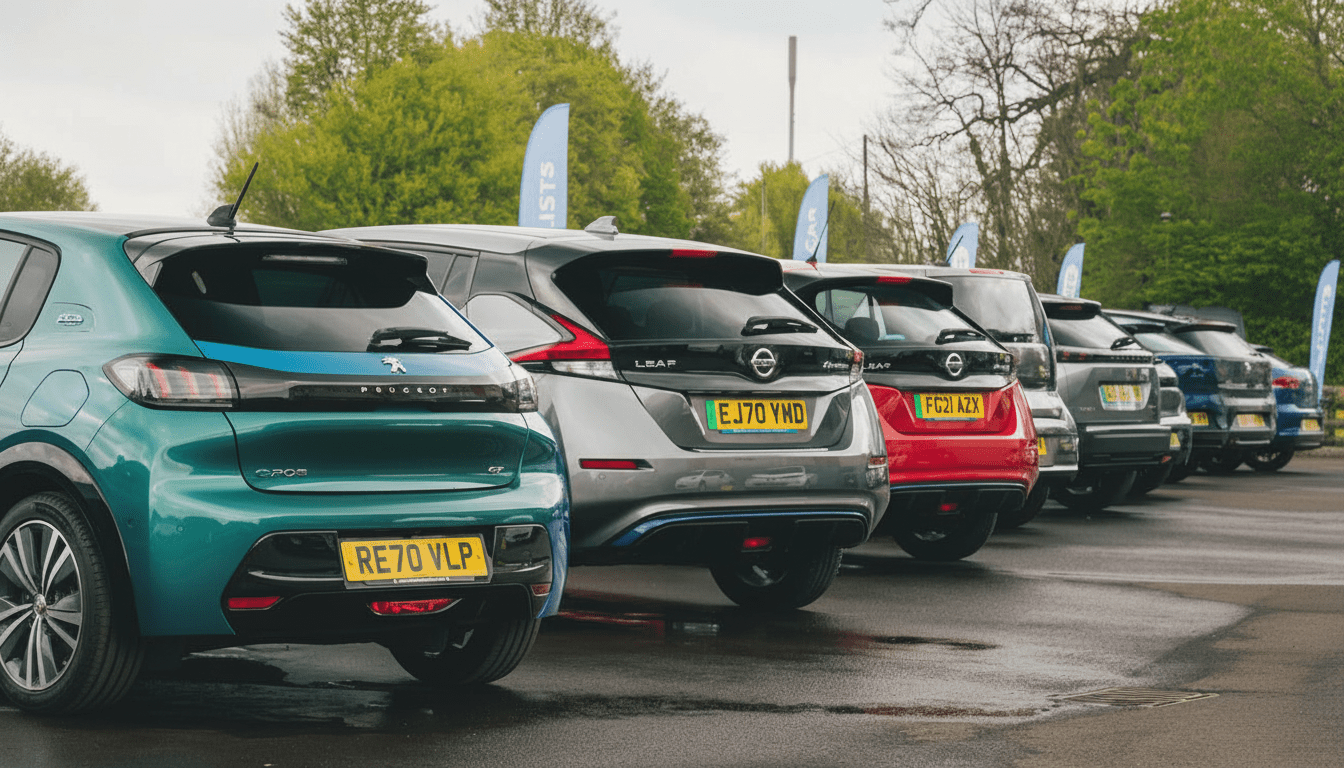
If you’ve browsed for a pre-owned electric car lately, you’ve seen the chaos: one day a Kia EV6 lists at £32k, next week it’s £27k, and the week after it’s gone—or still sitting there. The rise of boxy, tech-forward EVs from Hyundai, Kia, and Ford has flooded the used market, but demand isn’t keeping pace with supply. Big Motoring World, with hundreds of EVs across sites from Sheffield to Snodland, is on the front lines of this volatility. And right now, they’re responding the way any dealer with aging inventory does: slash prices and hope volume saves the margin.
A Giant Stumbles
For context, Big Motoring World isn’t some corner lot—it’s a used-car superstore chain that grew fast by offering huge selection and aggressive finance deals. But scale is a double-edged sword. When you’re holding hundreds of EVs, each one losing £500 a week in depreciation, the math gets brutal. Add in the complexity of managing in-house warranties on high-voltage powertrains (where a single battery module replacement can cost more than a used Nissan Leaf), and you’ve got a perfect storm. The recent shift to an external warranty partner isn’t just operational—it’s a signal that the old playbook isn’t working.
The Price Spiral in Real Time
Pull up any Big Motoring World location on Autotrader and filter for EVs. You’ll see a pattern that reminds me of a Tesla Model 3 in “hold steering wheel” mode: constant, frantic correction. A Genesis GV60 listed in July at £42k? Now £31.5k. An Audi Q4 e-tron down £4,350 in three months. A Polestar 2, pre-registered and now marked down 28%. These aren’t outliers—they’re the norm. And here’s the kicker: many of these cars are now priced below Autotrader’s own valuation algorithm, and still not selling. That tells you everything about the emotional disconnect in the used-EV market right now. Buyers aren’t falling in love with the fastback styling or the instant torque—they’re waiting for the next drop.
Warranties, Margins, and the “Sustainability” Squeeze
The dealership’s statement that their self-funded warranty model “is failing to meet customer expectations” is corporate-speak for a simple truth: EV repairs are unpredictable and expensive. Unlike a Ford F-150 with a known ICE powertrain, an EV’s high-voltage system, thermal management, or software glitches can turn a routine warranty claim into a four-figure surprise. By outsourcing that risk, Big Motoring World is trying to stabilize costs—but that move also means less control over the customer experience. In a segment where trust is everything (see: Rivian’s service network growing pains), that’s a gamble.
What This Means for You, the Buyer
If you’re shopping used EV, this is your moment—but proceed with eyes wide open. Those steep discounts aren’t just deals; they’re reflections of real market uncertainty. Check how long a car’s been in stock (Autotrader’s price tracker plugin helps), get a pre-purchase inspection that includes battery health, and don’t assume “lower price” equals “better value.” Meanwhile, for the industry, Big Motoring World’s pivot is a canary in the coal mine: if a giant can’t make the used-EV math work with volume and data, what does that mean for smaller dealers?
Watch this space—and the UK’s Q4 used-car reports. If volume picks up without further price collapses, we’ll know the market’s finding its footing. If not? Expect more “restructures,” more discounts, and maybe a few more dealership names in the rearview.